

Introduction
The transformation from a collection of separate Trucial States under British protection into a unified, sovereign nation was one of the most delicate and successful diplomatic achievements of the 20th century. The journey to federation was not preordained; it was the product of intense negotiation, strategic compromise, and the visionary statecraft of the region’s rulers. This process, often conducted in the traditional setting of the desert majlis, required navigating complex tribal loyalties, economic disparities, and the looming withdrawal of a colonial power. The diplomacy that forged the UAE stands as a timeless lesson in building consensus and forging a common destiny from diversity.
History
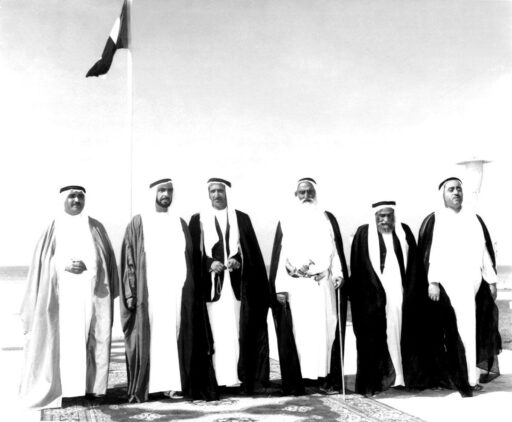
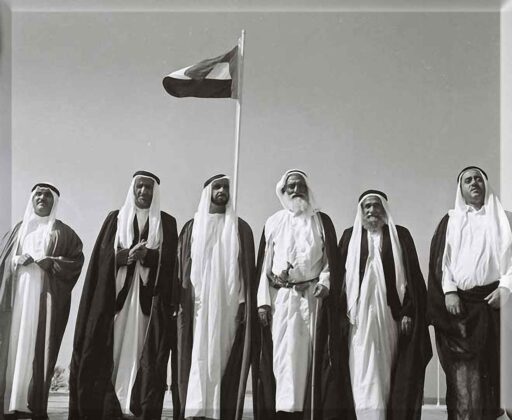
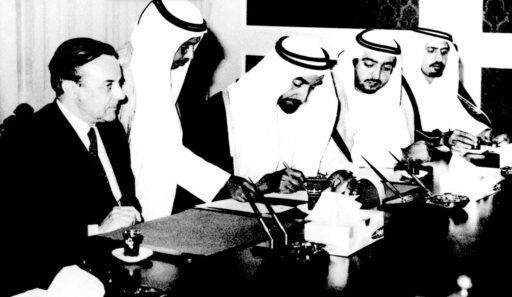
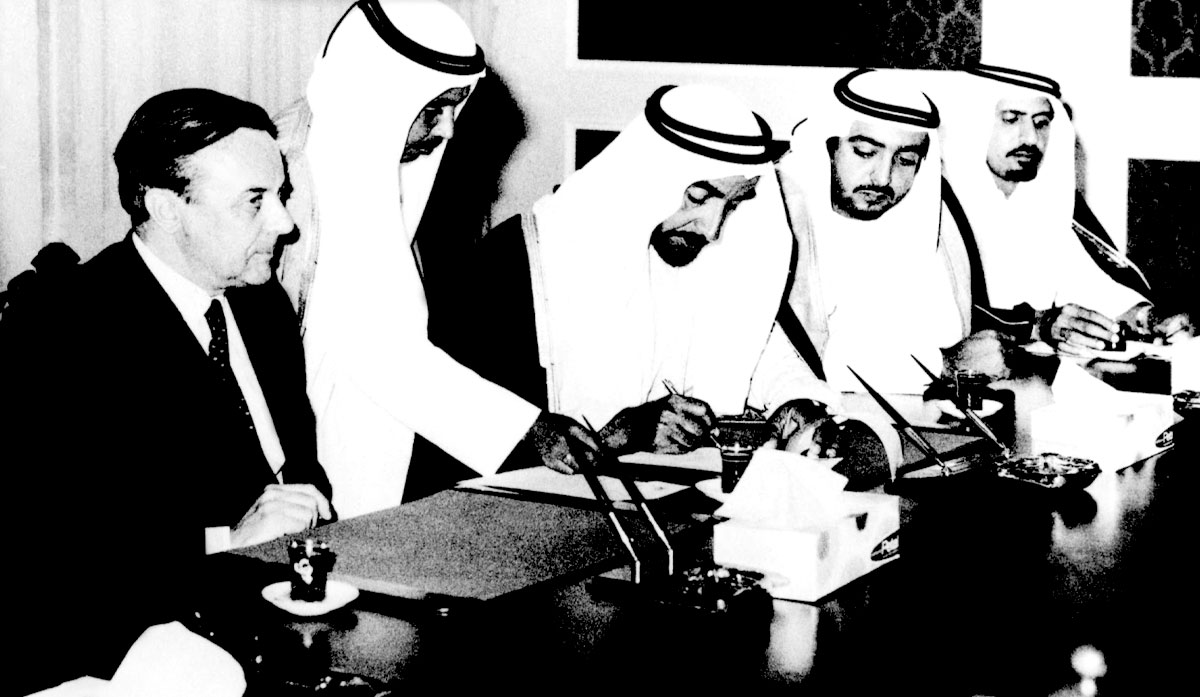
The context for federation was set by the British announcement in 1968 of their impending withdrawal from the Gulf. This created both a threat and an opportunity. The initial diplomatic effort, led by Sheikh Zayed of Abu Dhabi and Sheikh Rashid of Dubai, was to form a union of nine, including Bahrain and Qatar. This effort, however, stalled over issues of representation and leadership. Undeterred, the rulers of the Trucial States continued their talks. Key meetings, such as the one in Samha in 1968 and the pivotal gathering in Dubai in 1971, were characterized by long, patient discussions. The diplomacy was personal and direct, built on relationships and a shared understanding that their future security and prosperity were interdependent. The final agreement was a masterpiece of compromise, balancing the influence of larger emirates with the autonomy of smaller ones.
Key Features
The diplomacy of federation was characterized by several key principles:
- The Leadership of Sheikh Zayed: As the ruler of the largest and richest emirate, Sheikh Zayed was the primary driver of union. His unwavering commitment, generosity, and willingness to share Abu Dhabi’s oil wealth for the benefit of all were critical incentives.
- The Pragmatism of Sheikh Rashid: Sheikh Rashid of Dubai, a savvy merchant and leader, understood the economic and strategic benefits of union. His partnership with Sheikh Zayed was the essential axis around which the federation formed.
- Consensus-Based Decision Making: The process was not one of imposition but of consultation (shura). Every ruler had a voice, and agreements were reached through consensus, respecting the sovereignty of each emirate until the moment of union.
- Addressing Economic Disparities: A key diplomatic challenge was the vast difference in oil wealth between Abu Dhabi and the other emirates. The federal structure, which allowed emirates to retain control over their resources, coupled with a commitment to shared development, helped alleviate these concerns.
Cultural Significance
The successful diplomacy of federation powerfully validated the traditional Bedouin principles of consultation (shura), consensus, and tribal negotiation. It demonstrated that these age-old methods were capable of building a modern state. The process created a foundational myth for the nation—one of wise leaders coming together in a spirit of cooperation for the greater good. This narrative of unity, born from dialogue rather than conflict, remains a central pillar of the UAE’s national identity and a source of immense pride. It established a political culture where differences are resolved through discussion within the Federal Supreme Council, ensuring lasting stability.
Modern Relevance
The diplomatic model that created the UAE continues to inform its governance and foreign policy. The Federal Supreme Council still operates on consensus, and the spirit of compromise between the emirates is essential for national cohesion. On the international stage, the UAE has emerged as a skilled diplomatic mediator, leveraging the same principles of patience, dialogue, and bridge-building that forged its own union. The lessons of 1971—about the importance of visionary leadership, the strength of partnership, and the power of a unifying goal—are directly relevant to the UAE’s current ambitions, proving that the diplomacy of the past is the blueprint for the challenges of the future.
Conclusion
The creation of the UAE was a diplomatic triumph against the odds. It was a process that transformed potential fragmentation into unparalleled unity. The rulers who signed the provisional constitution were not just signing a document; they were enacting a profound act of political imagination. The diplomacy of federation proved that a shared identity could be consciously constructed through wisdom, patience, and a unwavering focus on the horizon. The United Arab Emirates itself is the ultimate monument to this diplomacy—a living, thriving testament to the power of dialogue and the enduring strength of a union willingly chosen.