

Introduction
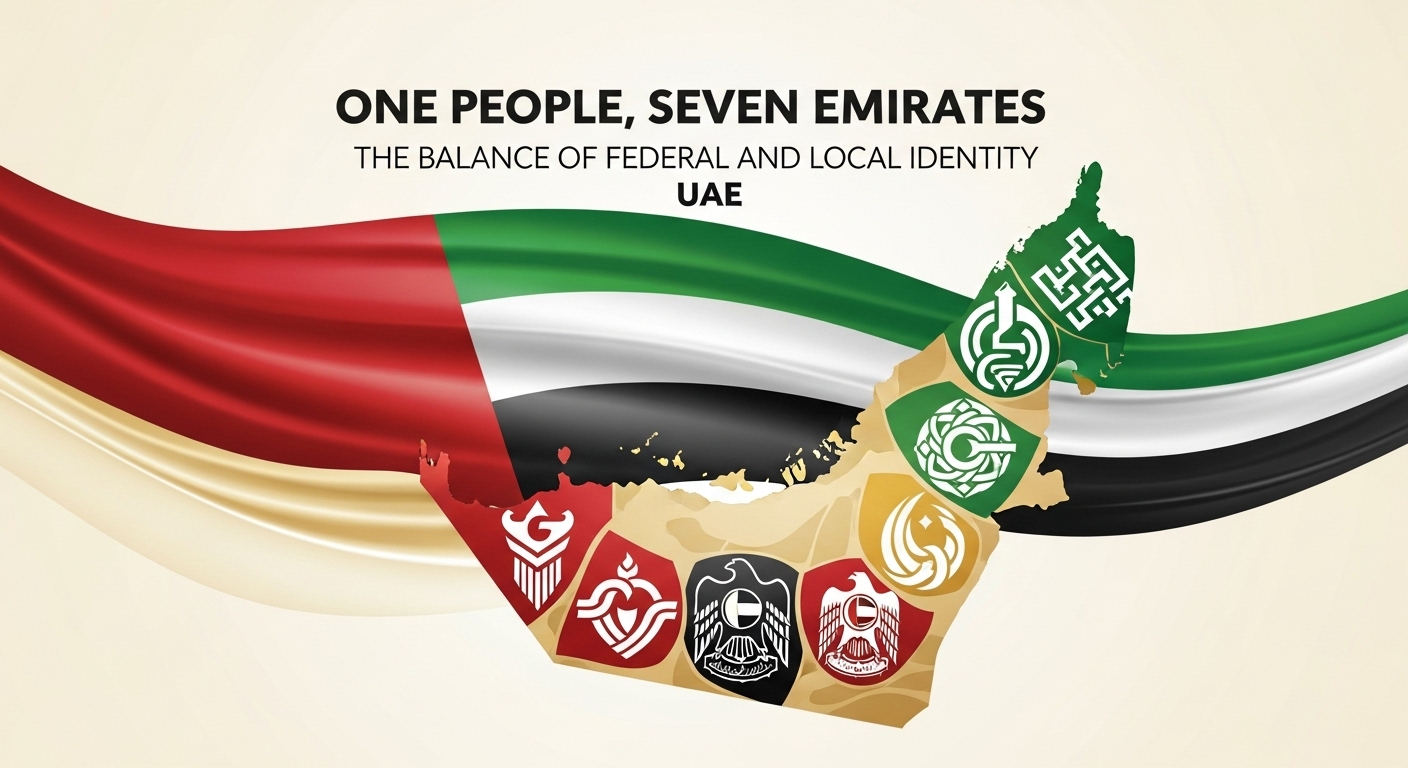
The United Arab Emirates presents a unique model of governance and identity: a nation that is simultaneously one people and seven distinct emirates. This delicate balance between a strong federal identity and vibrant local emirati cultures is the defining feature of the UAE’s political and social landscape. It is a system that celebrates unity without demanding uniformity, allowing for a rich diversity of local character while ensuring collective strength and purpose. Understanding this dynamic is key to understanding the resilience and success of the UAE’s federal experiment.
History
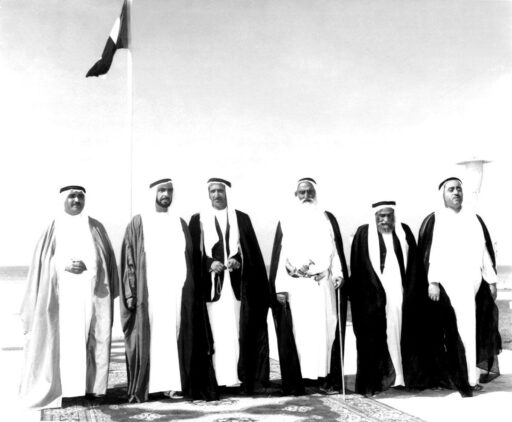
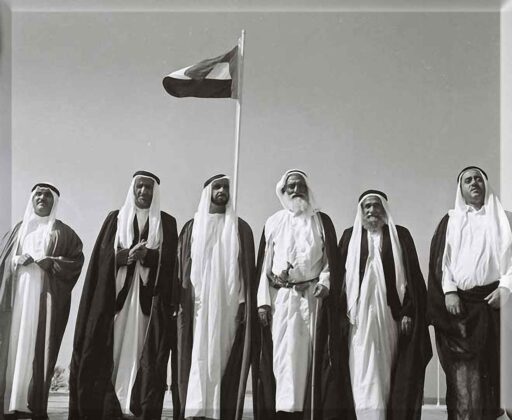
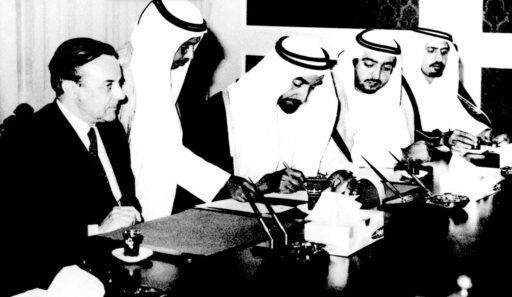
The federal structure was a pragmatic solution to the historical reality of the Trucial States. Each emirate had its own ruling family, its own economic base (whether pearling, trade, or agriculture), and its own tribal affiliations. The challenge for the founders was to create a central authority strong enough to provide security and coordinate development, while respecting the autonomy and unique character of each member. The provisional constitution of 1971 brilliantly codified this balance, allocating specific powers (like defense, foreign policy, and citizenship) to the federal government, while reserving all other powers for the individual emirates. This allowed for both a unified national project and the continuation of local governance.
Key Features
The balance between federal and local identity manifests in several ways:
- Dual Government Structures: Each emirate has its own local government, headed by its ruler, which manages local affairs such as police, municipal services, and economic development within the emirate. This operates in parallel with the federal government in Abu Dhabi.
- Economic Autonomy: Crucially, emirates retain control over their own oil and gas reserves. This means that Abu Dhabi, as the holder of the vast majority of reserves, has greater financial resources, which it has historically shared for federal projects, reinforcing the spirit of union.
- Cultural Nuances: While sharing a common Emirati culture, each emirate has its own subtle traditions, dialects, and historical narratives. Sharjah has a strong identity as a cultural capital, Dubai as a global trade and tourism hub, and Fujairah with its unique East Coast culture.
- The Federal Supreme Council: This body, comprising the seven rulers, is the ultimate expression of the balance. It ensures that the leaders of all emirates have an equal voice in the highest decisions of the state.
Cultural Significance
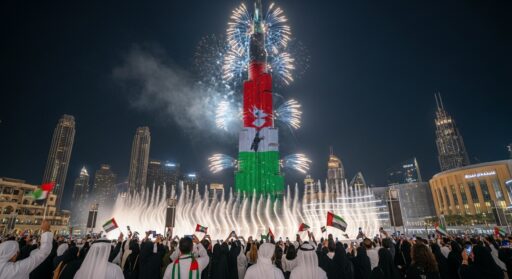
This model has fostered a layered sense of belonging. An Emirati citizen can proudly identify as a citizen of the UAE, a native of the Emirate of Dubai, and a member of a specific tribe or family, with no contradiction between these identities. The federal project is seen as a protective umbrella under which local cultures can flourish. National symbols like the flag, the anthem, and the founding fathers serve as unifying forces, while local heritage festivals, museums, and architectural styles celebrate what makes each emirate unique. This has prevented the resentment that can arise in federations where centralization threatens local identity.
Modern Relevance
The federal-local balance is a key reason for the UAE’s political stability. It has allowed for tailored development strategies; Dubai’s focus on trade and tourism, for example, would not have been possible under a highly centralized system. At the same time, federal institutions ensure a high standard of education, healthcare, and infrastructure across all emirates, promoting equity and national cohesion. As the UAE faces future challenges, from economic diversification to climate change, this flexible model allows for both a unified national response and localized solutions. The system’s ability to adapt while maintaining its core balance will be critical for the next 50 years.
Conclusion
The UAE’s genius lies in its rejection of a one-size-fits-all approach to nationhood. The motto “One People, Seven Emirates” is not a slogan but a lived reality. It is a sophisticated acknowledgment that strength can be found in diversity, and that unity is most enduring when it is voluntary and respectful of difference. The successful balance between a powerful federal government and robust local emirates is the UAE’s greatest political innovation. It is a model that has allowed a once-fragile federation to become a global powerhouse, proving that one can be fiercely loyal to one’s home while being proudly united under one flag.