

Introduction
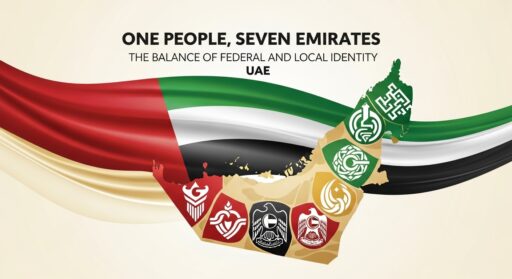
A new nation requires a new symbol—a visual embodiment of its identity, aspirations, and unity. For the fledgling United Arab Emirates in 1971, this task fell to a young Emirati named Abdullah Mohammed Al Maainah, whose design was chosen in a public competition. The flag he created, with its bold pan-Arab colors, is more than a piece of cloth; it is a powerful, unifying symbol that flies over seven emirates, representing their shared history, common faith, and collective future. The story of its design and its subsequent adoption is a poignant chapter in the forging of a national consciousness.
History
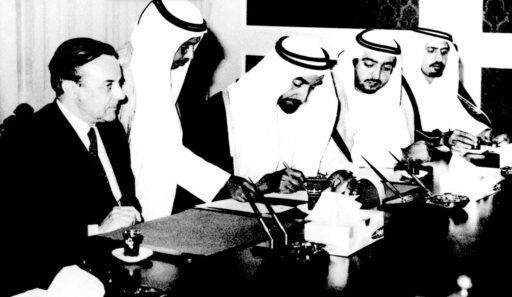
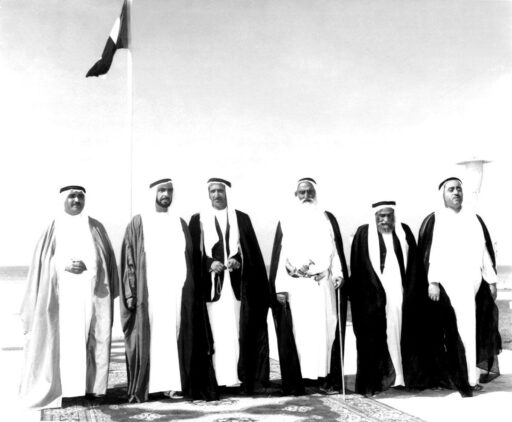
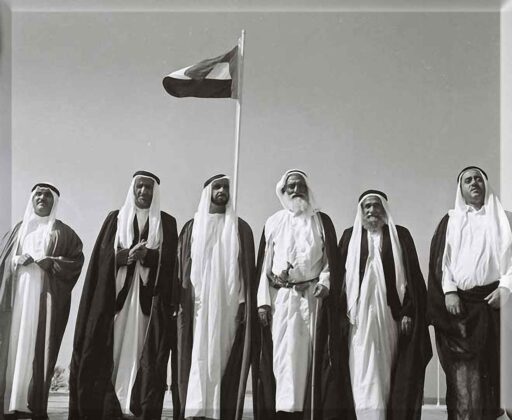
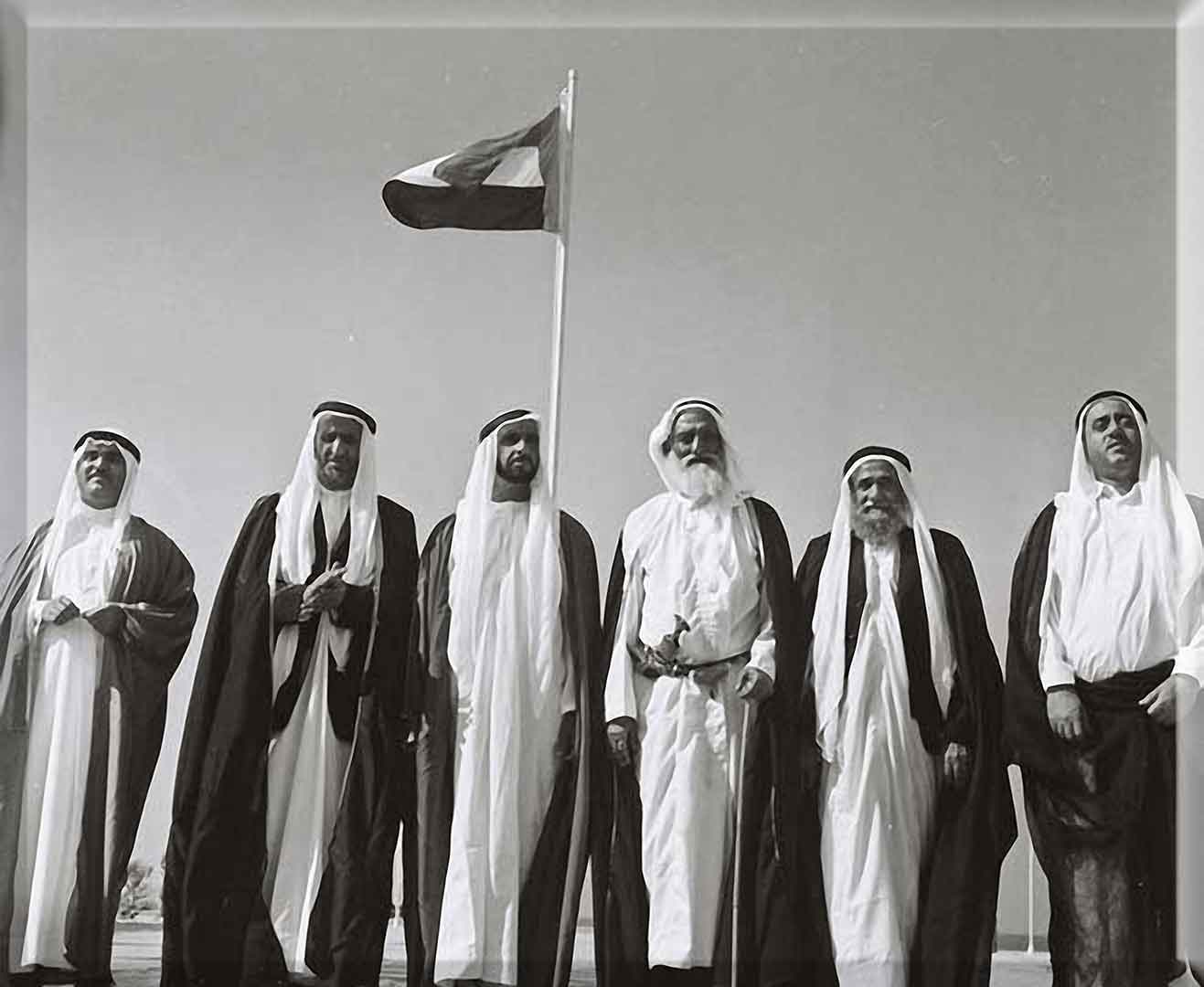
In the lead-up to the declaration of the union, the Ministry of Information launched a national competition to design the flag of the new federation. Hundreds of entries were submitted. The winning design, created by 19-year-old Abdullah Mohammed Al Maainah, was officially adopted on December 2, 1971, the same day the UAE was founded. The young man’s inspiration drew from a verse of a poem by the famous Tunisian poet Aboul-Qacem Echebbi, which speaks of hope, renewal, and the vibrancy of life. The flag was hoisted for the first time at the Union House, marking the birth of a national emblem that would instantly become recognizable across the country and the world.
Key Features
The UAE flag is rich with symbolic meaning in its color and composition:
- The Pan-Arab Colors: The flag utilizes the four pan-Arab colors—red, green, white, and black—which symbolize Arab unity and heritage.
- Red: The vertical red band on the hoist side represents hardiness, bravery, strength, and courage. It is a color historically associated with the Khawarij and has been used in flags of the Gulf region for centuries.
- Green: The top horizontal green band symbolizes hope, joy, optimism, and love. It is also a color deeply connected to Islam and represents the nation’s agricultural and fertility projects.
- White: The middle white band represents peace, honesty, and purity. It reflects the benevolent and humanitarian policies of the nation.
- Black: The bottom black band stands for the defeat of enemies and the strength of mind. It also symbolizes the oil wealth that powers the nation’s economy.
Cultural Significance
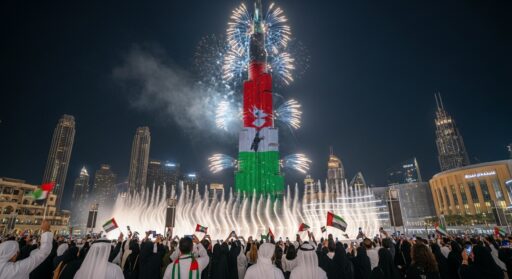
From the moment of its adoption, the flag became a sacred symbol of the federal union. It visually united the seven distinct emirates under a single identity. For citizens, the flag evokes a deep sense of pride and belonging. It is prominently displayed on National Day, on government buildings, and in the homes of Emiratis. The act of respecting the flag is taught from a young age, instilling a sense of national duty and unity. The story of its designer—a young citizen—also reinforces the message that every Emirati has a role to play in the nation’s story. The flag is a constant, daily reminder of the shared destiny chosen on December 2, 1971.
Modern Relevance
The flag of the UAE is one of the most visible and successful national branding exercises in the world. It is instantly associated with modernity, ambition, and stability. It flies at UAE diplomatic missions worldwide, on the masts of its ports, and even on Mars, adorning the Hope Probe. The flag is used to rally national spirit during sporting events and times of crisis. Its design is incorporated into logos, fashion, and art, constantly reinforcing national identity in a creative and evolving way. The flag is not a static relic; it is a living symbol that continues to gather meaning as the nation grows and achieves new milestones on the global stage.
Conclusion
The Flag of Unity is a masterpiece of symbolic storytelling. In its simple, elegant stripes, it carries the weight of history, the values of the present, and the hopes for the future. It is a testament to the power of a collective symbol to bind a people together. More than fifty years after its first raising, the flag continues to wave as a promise kept—a promise of unity, prosperity, and an unwavering national spirit. It is a daily affirmation that despite different landscapes and local identities, every Emirati is united under one banner, one destiny, and one inseparable union.